SummitSteel Co., Ltd.

High-Performance B500A/B500B/B500C Rebar for Stronger, Safer, and More Durable Construction
Release time:
2025-11-17
B500A/B500B/B500C rebar is a new-generation reinforcement solution designed to meet the rising demands of modern construction, offering exceptional strength, superior ductility, and stable mechanical performance.
As infrastructure, high-rise buildings, and industrial projects become more complex, the need for a reliable and versatile rebar material has grown significantly. This product line is engineered to enhance structural integrity, optimize load-bearing capacity, and deliver long-term durability in even the most challenging environments. Its consistent performance, excellent weldability, and high bonding force with concrete make it a top choice for engineers, contractors, and project owners seeking dependable reinforcement.
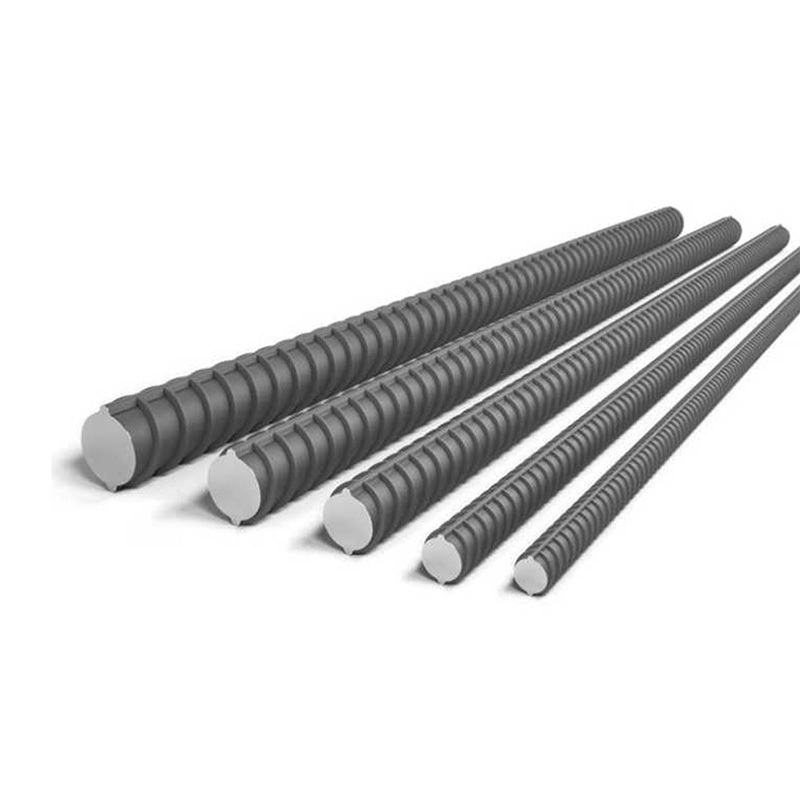
One of the major advantages of B500A/B500B/B500C rebar is its optimized chemical composition and advanced rolling technology, which provide uniform rib patterns for superior anchoring. This ensures greater resistance to slippage and improves overall structural stability. Additionally, the rebar offers remarkable flexibility and high tensile strength, reducing the risk of cracking under dynamic or seismic loads. These features make it particularly valuable in earthquake-prone regions, bridge construction, and critical infrastructure. The rebar’s corrosion-resistant properties also extend service life, lowering maintenance costs and increasing long-term value for construction projects.
In practical applications, B500A/B500B/B500C rebar has been widely used in residential developments, large-scale bridges, tunnel reinforcements, and industrial foundations. For example, in a recent highway bridge project, contractors selected B500C rebar for its high ductility and superior seismic resistance, resulting in improved structural performance and reduced reinforcement quantity. In a commercial high-rise building case, the use of B500B rebar improved bonding with concrete and shortened construction time due to easier handling and bending. These real-world examples demonstrate how the rebar series helps clients achieve safer designs, higher efficiency, and reduced material waste.
The key pain points solved by B500A/B500B/B500C rebar include inconsistent structural strength, difficulty meeting seismic requirements, and premature corrosion in conventional steel reinforcement. By adopting this advanced rebar solution, customers benefit from enhanced durability, improved project reliability, and long-term cost savings. Whether for new construction or structural upgrades, B500A/B500B/B500C rebar provides a dependable reinforcement solution that ensures stability, safety, and a solid foundation for every project.
Latest News
Application fields of stainless steel plate
Stainless steel plate is a kind of steel with an oxide film, which can resist the corrosion of most atmospheres, water and acid-base media. Therefore, stainless steel plates are widely used in many fields. The following are several main application directions of stainless steel plates.
2025-07-21
What are the commonly used carbon steel?
The carbon content of 1095 high carbon steel is 0.95%~1.03%. After heat treatment, the hardness can be processed to a high hardness of 57-60HRC, and the toughness is also good.
2025-07-10
Production process of galvanized sheet
Galvanized sheet is a metal material that coats the surface of ordinary carbon steel with a layer of zinc. Its main function is to prevent the steel from being oxidized and corroded during use and prolong the service life. The following is the production process of galvanized sheet.
2025-06-29
Performance characteristics of rebar
Tensile strength: Rebar must have high tensile strength to resist the forces that may act upon it, such as tension and bending during construction or seismic events.
2025-06-18
What is the main use of steel angle bar?
Steel angle bar, also known as angle iron bar or steel lintel is a versalle and widely used material in the construction and manufacturing industries. It is made from several types of steel.,and is avalable in different sizes and thicknesses to suit a wide range of applications.
2025-06-06
I-Beam vs H-Beam: What İs the Difference?
H-Beams Cost Less Than I-Beams For The Same Amount of Structural Support. H beams and I beams are two different types of structural steel members that are commonly used in construction. The distinguishing feature between them is their shape. An H beam is shaped like the letter “H” with one vertical flange and two long-side flanges, whereas an I beam has a cross-section that resembles the letter “I” with a single vertical web or web thickest at mid-span, two webs, and no bottom flange.
2025-06-01
Copyright 2025 : SummitSteel Co., Ltd. Powered by:CEglobal SEO BUSINESS LICENSE
